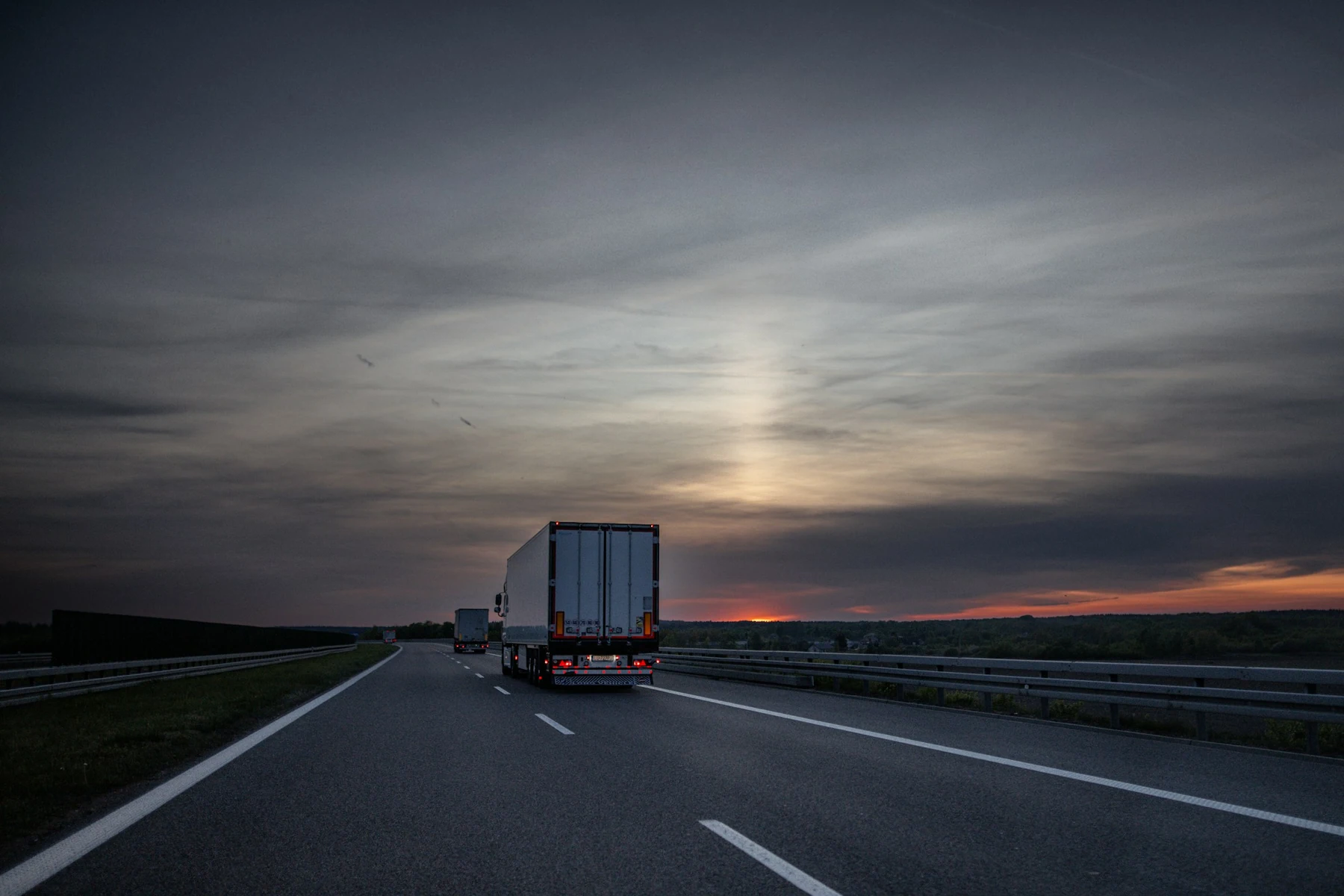
Every load costed, every handover evidenced.
Drivers, vehicles, routes and freight on one platform. Hours, licences and maintenance windows bind the plan, and what happened at each door is captured as it happens.
Depot to door, on one system.
The plan respects the driver
Driving hours, rest requirements, licence classes and endorsements bind the roster and the route together. A run that would put a driver over their hours is not planned in the first place.
Vehicles planned with their maintenance
Service intervals, inspections and off-road windows are part of the same plan as the work, so a vehicle due for inspection stops being assigned before it becomes a problem on the road.
Proof at every door
Signatures, photographs, temperatures and timestamps attach to the consignment as the handover happens, so a disputed delivery is answered from the record.
Cost that follows the load
Fuel, labour, tolls and vehicle time attribute to the run and to the consignment that consumed them, so margin is visible per load rather than per month.
Yard to doorstep, three applications.
Fleet, Workforce and Procurement read the same drivers, vehicles and consignments across every depot.

Routes and rosters solved together
The people and the vehicles are one optimisation. Coverage, cost, hours and licences resolve in the same pass, so the run sheet and the roster agree before anyone leaves the yard.
Chain of custody, captured in the cab
Every handover carries its own evidence, collected by the driver in seconds and reconciled against the consignment without anyone re-keying it at the depot.
Exceptions that route themselves
A failed delivery, a temperature excursion or a breakdown raises the right action against the right person, with the consignment record already attached to it.
What it changes for a fleet
Margin visible per load
Fuel, labour, tolls and vehicle time attribute to the run that consumed them, so an unprofitable lane surfaces in the week it happens rather than in a quarterly review.
Rolled out lane by lane
One depot and one lane go live first, running alongside what you do today until the numbers agree. The rest of the network follows once it holds on its own.
Disputes answered from the record
Proof of delivery, temperature and timing sit with the consignment, so a claim is settled from evidence rather than from a driver’s recollection three weeks later.
Drivers and routes are one solve.
Driving hours, licence classes and rest bind the roster and the run sheet together. Workforce is the application that holds the driver record, and Fleet plans against it.
Explore WorkforceFAQ
As constraints on the plan. Driving time, rest requirements, licence classes and endorsements bind the roster and the route in the same solve, so a run that would put a driver over their hours is never planned. The specific regime is configuration, modelled against the rules that apply to your operation.
No. Mission connects to the telematics, tracking and vehicle systems you already run and unifies what they produce underneath. The value is in the plan and the record, not in owning the hardware.
By the driver at the door: signature, photograph, temperature and timestamp, attached to the consignment as it happens. It reconciles against the run automatically, so a dispute is answered from the record instead of from memory.
Yes. Fuel, labour, tolls and vehicle time attribute to the run and the consignment, so an unprofitable lane is visible while you can still do something about it.
We start with one depot and one lane, run it alongside your current process until the numbers agree, then extend across the network. Our engineers are on site while that happens.
OpenRail, the rail platform, runs crews, rolling stock and timetables as rail-specific modules on the same operational model, with hours, competence and maintenance windows as constraints. See OpenRail.