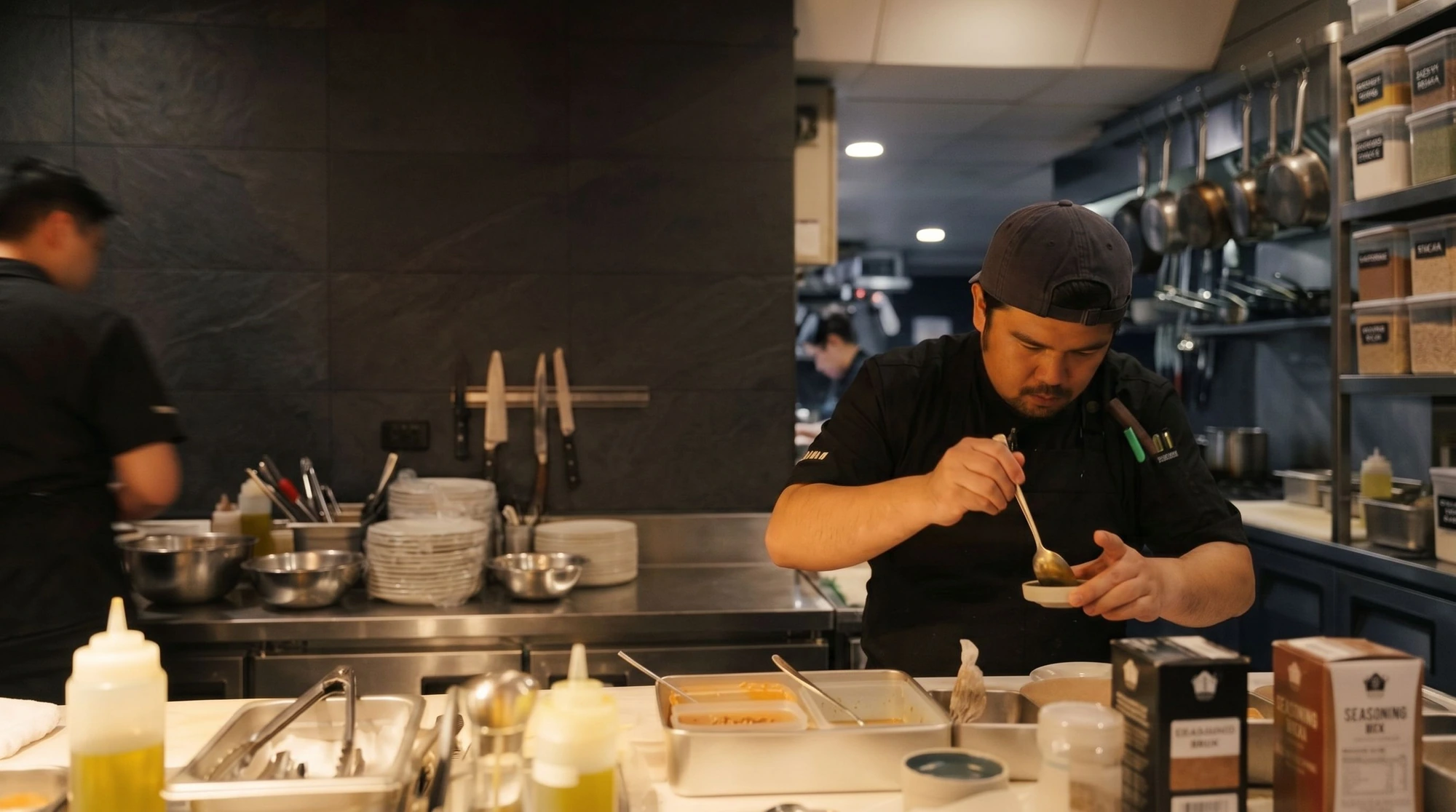
From the cellar to the last cover.
Restaurants, bars, wine programmes, central kitchens, franchise units and event catering on one platform. Buying, recipes, stock, guests and rosters stay in step across every site.
Every venue, one system.
One platform for the whole group
Stacks accrete as you grow: POS from the first restaurant, inventory bolted on at outlet three, accounting at twelve. Mission replaces the patchwork with one operational model across every venue.
The standard holds in every unit
A brand enforced by manuals and visits drifts the moment the area manager leaves the room. Specs, prep and compliance live on the system instead, so a unit opens at standard whoever operates it.
Wine handled the way wine moves
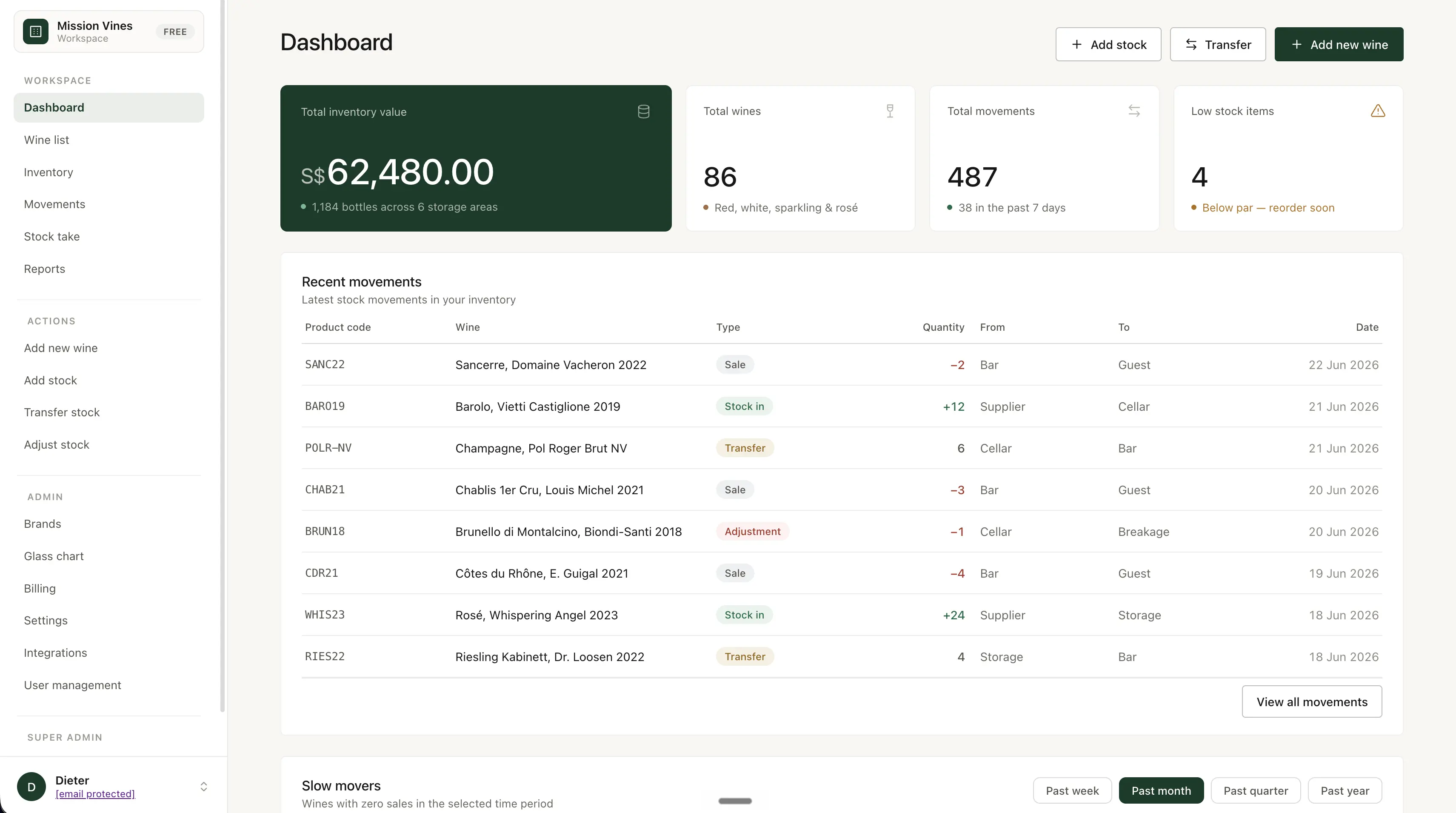
SKU and vintage, allocations, by-the-glass and member releases. Depletion moves as a glass is poured or a case lands, priced against live cost, so dead stock and shrinkage show up the day they happen.
Production planned to real outlet demand
Central kitchens plan on a spreadsheet while the outlets order by message, and the count never matches the cook. One batch plan ties production to what the sites will actually sell.
Events costed before they are quoted
Recipes scale to the headcount on the system, buying follows the costed menu, and actuals reconcile against the quote as the event closes. The margin on the night stops being a surprise.
Stop counting bottles by hand
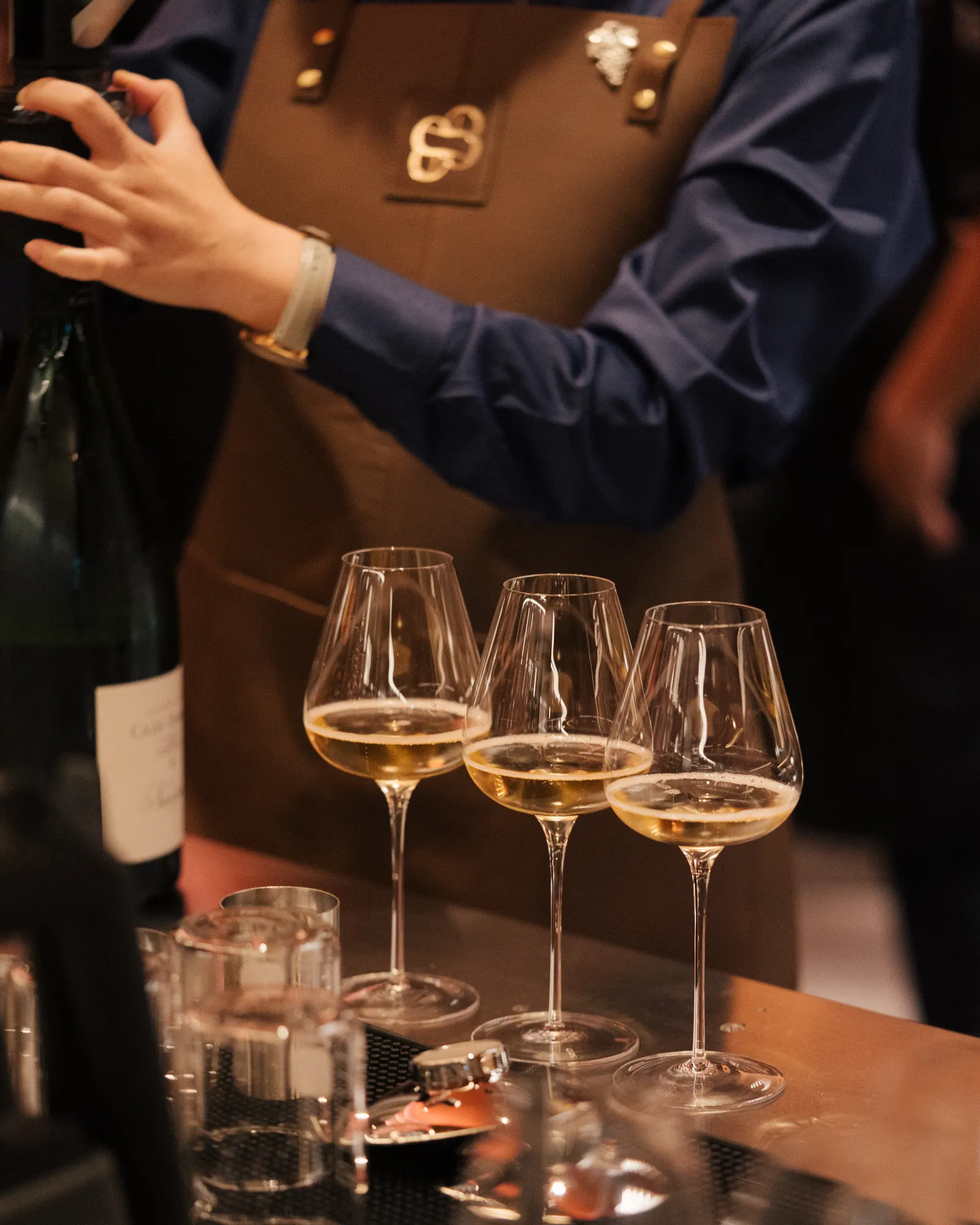
For all the money sitting on the racks, most programs still track wine in a spreadsheet, copy-pasted between systems. Bottles drift past their peak as dead stock, and a mis-poured or walked grand cru stays invisible until inventory day. Mission runs it in the background instead: every bottle and pour, live, by SKU and vintage, with dead stock and shrinkage in plain sight.
Solving the operational drift
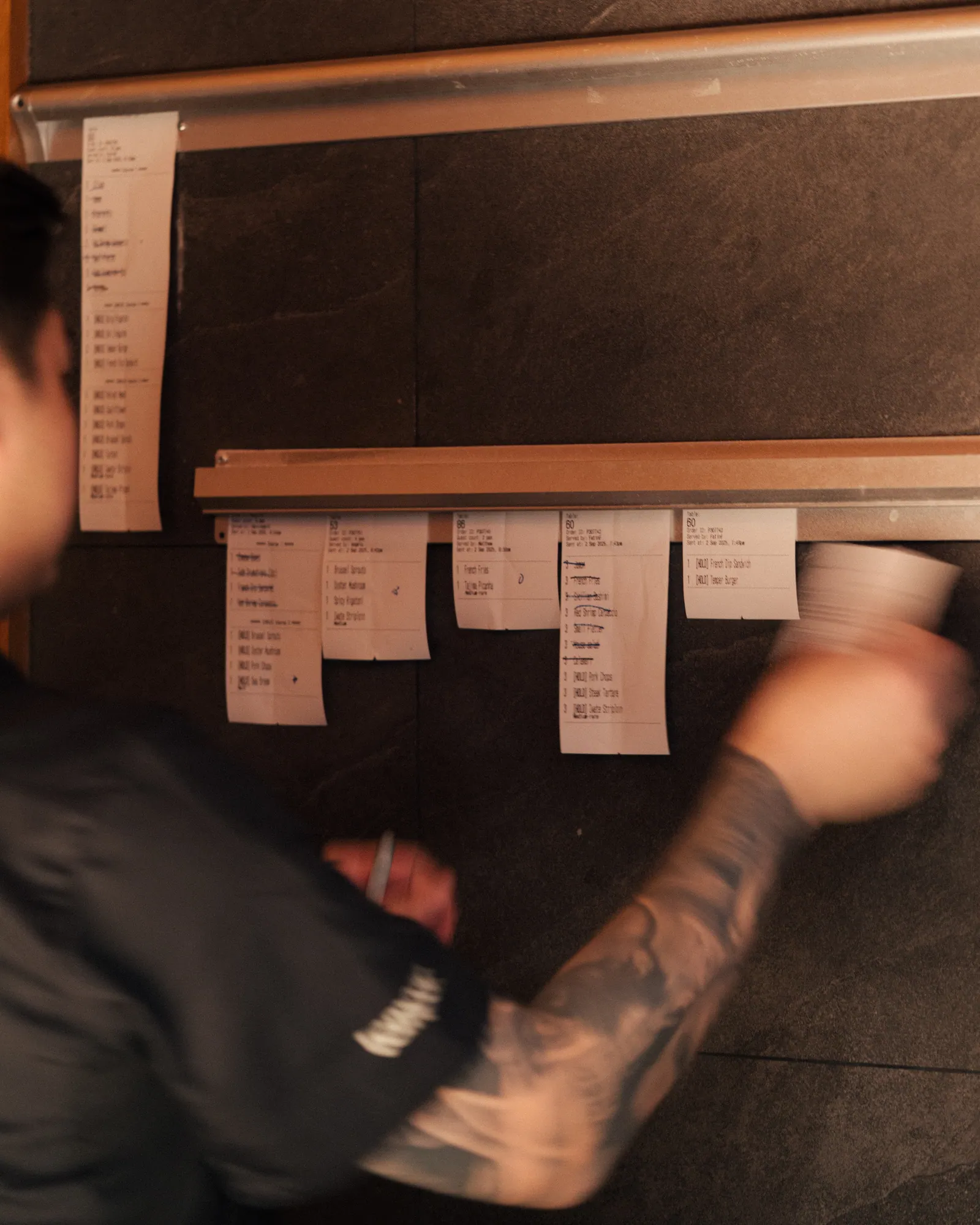
Every cook makes unrecorded micro-adjustments to portions, trim and yields, and the brand that looks consistent on paper quietly drifts from one kitchen to the next. That’s why we build recipes: every spec costed and consistent, scaled on the system, the same in every outlet and at any headcount.
One live picture of the group
Covers, spend, labour and margin from every venue roll up measured the same way, so head office finally sees like-for-like instead of spreadsheets that were stale before they arrived.
The system holds the standard
Prep, ordering and compliance live on the platform. Quality holds between kitchens and between operators, including on the week your seven-year GM is on leave.
Every number, in plain sight
Live cost per dish, per cover and per outlet, carrying landed cost, supplier pass-through and delivery commissions, so margin drift surfaces in week two rather than at year end.
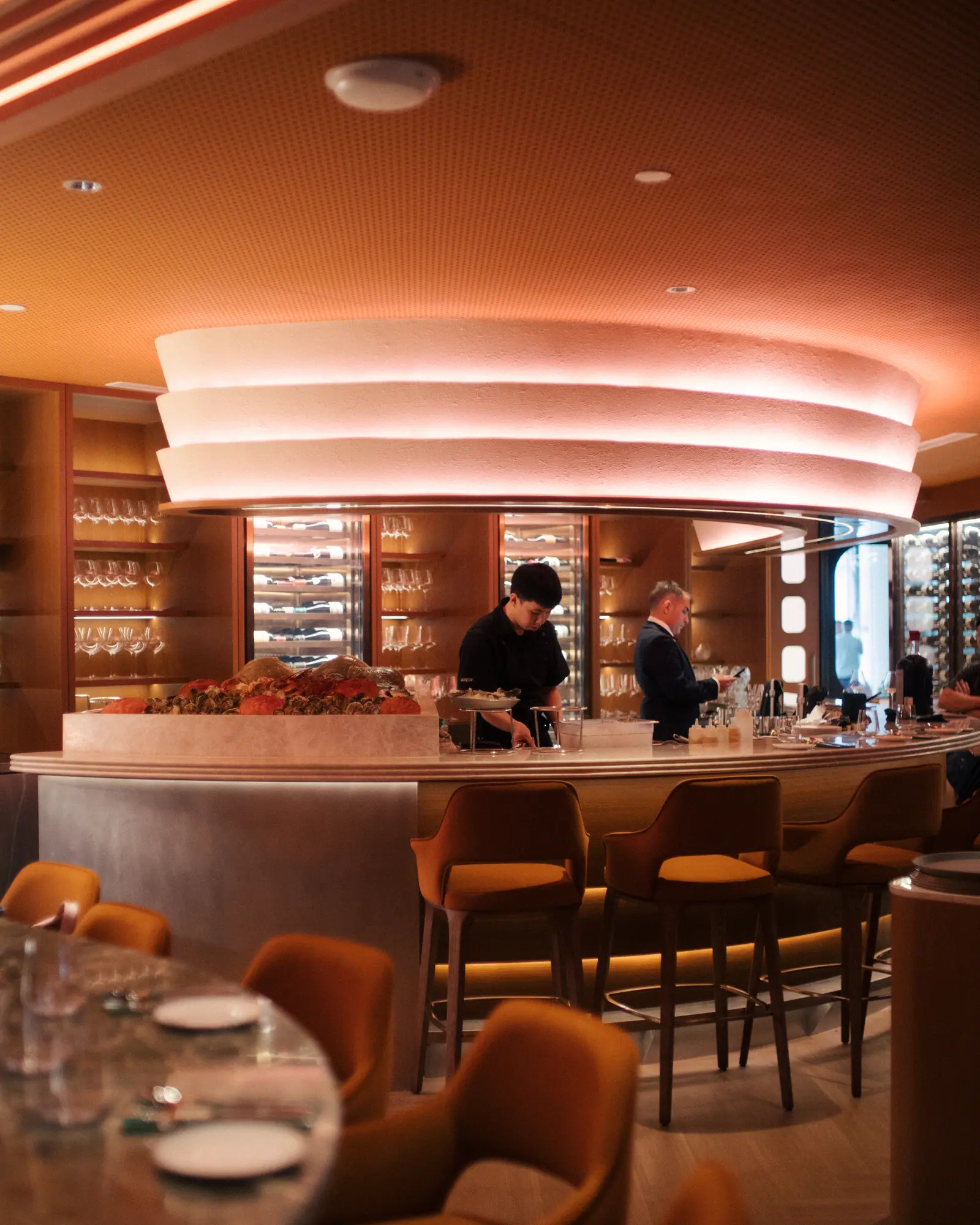
Proven in Mission Hospitality first.
Our sister company, Mission Hospitality, owns and operates seven businesses in Singapore: restaurants, bars, a café and a wine importer. The platform runs there before it is deployed anywhere else.
See the deploymentsFAQ
No. Mission is agnostic to your POS and devices. It connects to what each venue already runs and unifies the data underneath, so you roll it out without tearing out your floor.
Recipes, prep and compliance live on the system. Every spec is costed and identical in every kitchen, so the brand that looks consistent on paper stays consistent on the plate, between visits as well as during them.
Mission tracks every bottle and every pour, live, by SKU and vintage, so depletion, dead stock and shrinkage are visible every day. Members, allocations and the billing run sit on the same system as the cellar.
Yes. Outlet orders, par levels and forecasts roll into one batch plan, so production runs to real demand instead of a guess, and what left the kitchen reconciles against what each site received.
Yes. Menus are costed against live landed cost and scaled to the cover count, buying follows the costed menu, and actuals reconcile against the quote as the event closes. Cost per cover and the real margin sit side by side.
We do. Our engineers embed with your team, learn how the group actually runs, and build against that. We begin at one site with the workflow that hurts most and prove it in production, typically within weeks, then extend venue by venue.