Rosters that write themselves.
Rostering, HR, hiring and payroll on one record per person. The roster solves continuously against demand, skills, fatigue and the rules that bind the operation.
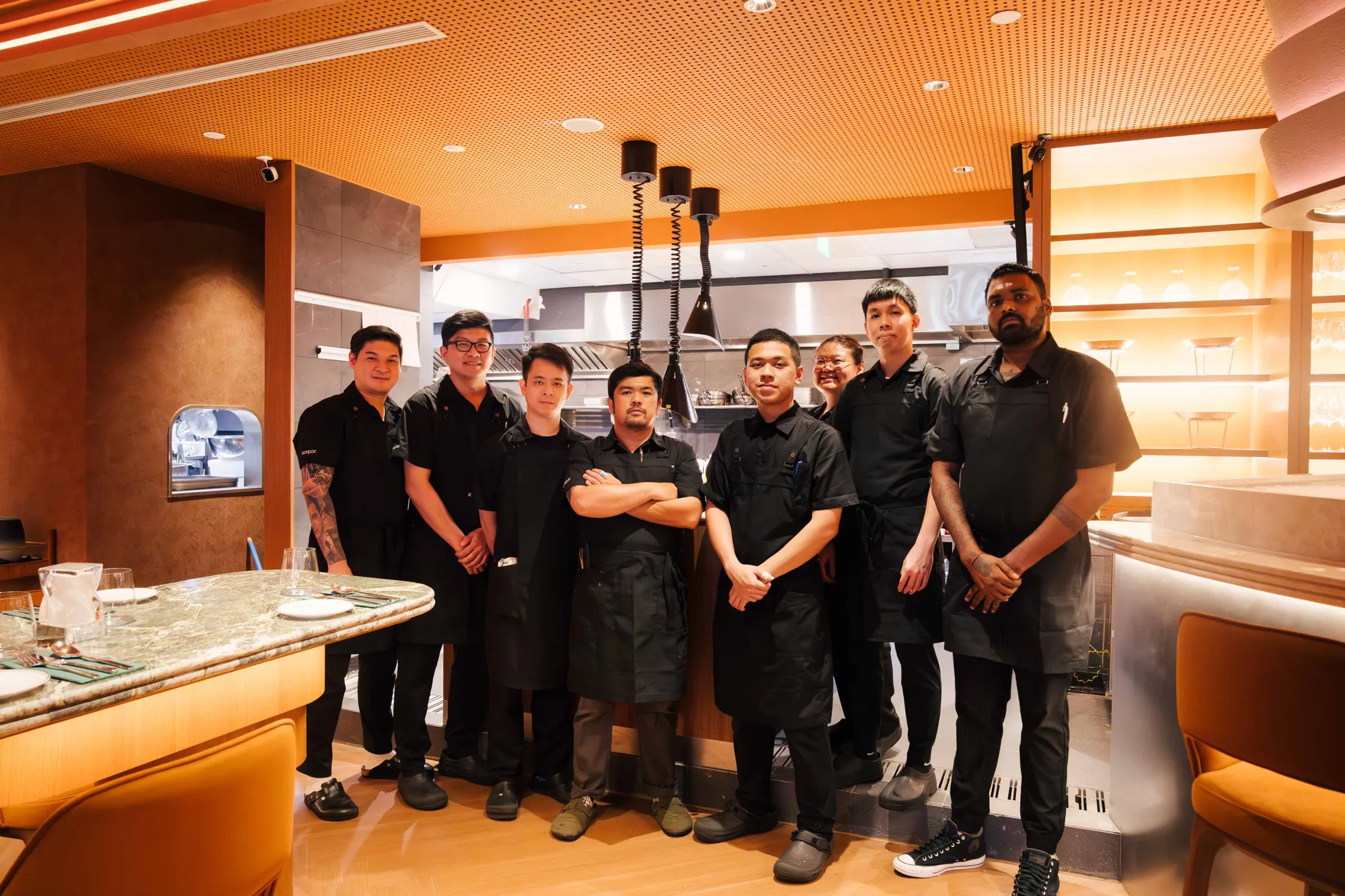
Same problem, different uniforms.
A kitchen brigade, a housekeeping floor and an air crew are one optimisation: the right people, with the right qualifications, in the right place, inside the rules. The constraints differ. The solver does not.
 Placeholder
What it does differently
The roster solves itself, continuously
Demand moves, someone calls in sick, a qualification lapses. The roster re-solves against all of it, balancing cost, coverage and fairness at once. It does not stop solving when the week starts.
Compliance is a constraint on the solve
Duty hours, rest periods, fatigue rules and the award or agreement terms that bind you are inputs to the solver. A roster that would breach them is never produced in the first place, so there is nothing to catch afterwards.
Take the parts you need
Employee records, hiring, payroll and rostering are one platform, and you switch on only what you want. Keep the payroll provider you already run, or move it across when it suits you.
What it writes to the model, and what Launchpad does with it.
A person is one record for the roster, the payroll and every other application. Launchpad solves and re-solves over that record at the level of autonomy you set.
- Reads & writes
- people, qualifications, shifts, sites, pay rules
- Launchpad
- Solves the roster continuously. Absorbs a sick call before anyone opens the roster. Blocks an out-of-currency assignment. Reconciles hours worked to pay.
- Autonomy
- Set per capability, from off to unattended, and movable back
- Works with
- Operations, Finance, Events
What the solve actually does.
Two capabilities, start to finish. No dashboards to read, and no report telling someone else to go and fix it.
A week of crew, solved
It starts from demand, not from last week's roster. Every person carries their qualifications, their currency dates and the hours they have already worked, and each one narrows what the solver may do. Cost, coverage and fairness are weighed together rather than in sequence, so nobody absorbs the awkward shifts week after week. Then a crew member calls in sick at 06:00, and it re-solves around the gap before anyone opens the roster.
PlaceholderA week of crew rostering, solved against demand, qualifications and duty limitsAn incident, triaged as it lands
A report arrives and is classified, severity-scored and routed while it is still being typed. Related incidents surface alongside it, so a pattern across sites is visible on the second occurrence instead of at the quarterly review. Whoever needs to know is already notified, and the escalation path was chosen by rules you set.
 PlaceholderRealtime incident triage, classified and routed on arrival
Four pieces. Take what you need.
Most groups start with the roster and leave the rest where it is.
Rostering
Continuous optimisation against demand, skills, availability, cost and the rules. Publish, then let it keep improving as the week moves.
Employee management
One record per person across every site and entity: contracts, qualifications, certifications and their expiry dates, and the currency requirements that govern who may be assigned to what.
Hiring
The pipeline sits against the same records, so a hire lands as a rostered, qualified, payable person rather than as a form someone re-keys into three systems.
Payroll
Hours worked flow from the roster that produced them, with premiums, penalties and allowances already applied. What you rostered and what you pay reconcile by construction.
Upgrade the way shifts get built.
FAQ
You give it the shape of the operation: sites, roles, demand, the people and what each is qualified to do. It solves for coverage, cost and fairness together, and keeps solving after publication, so a sick call at 06:00 is absorbed rather than escalated.
As hard constraints inside the solver. In aviation that means flight and duty time limits and fatigue risk management under CASA; in transport it means driving hours and licence currency; in hospitality it means the local working-time and rest-break regime. The solver treats a breach as an infeasible answer rather than a warning.
Yes, because it is the same problem. A kitchen brigade, a housekeeping floor and an air crew are all the right people, with the right qualifications, in the right place, inside the rules. Only the constraints differ, and constraints are configuration.
No. Most groups start with rostering alone and keep their existing payroll. The pieces are designed to be adopted one at a time, and each one makes the others sharper when you do.
As autonomous as you decide. It can propose and wait, publish within limits you set and tell you afterwards, or run unattended. Most groups start with approval on every publish and move the dial up per site as trust builds.
They stop assembling it and start directing it. The judgement calls, who is ready for a section, who needs a lighter week, are exactly the things worth a manager’s attention, and they are what is left once the arithmetic is gone.