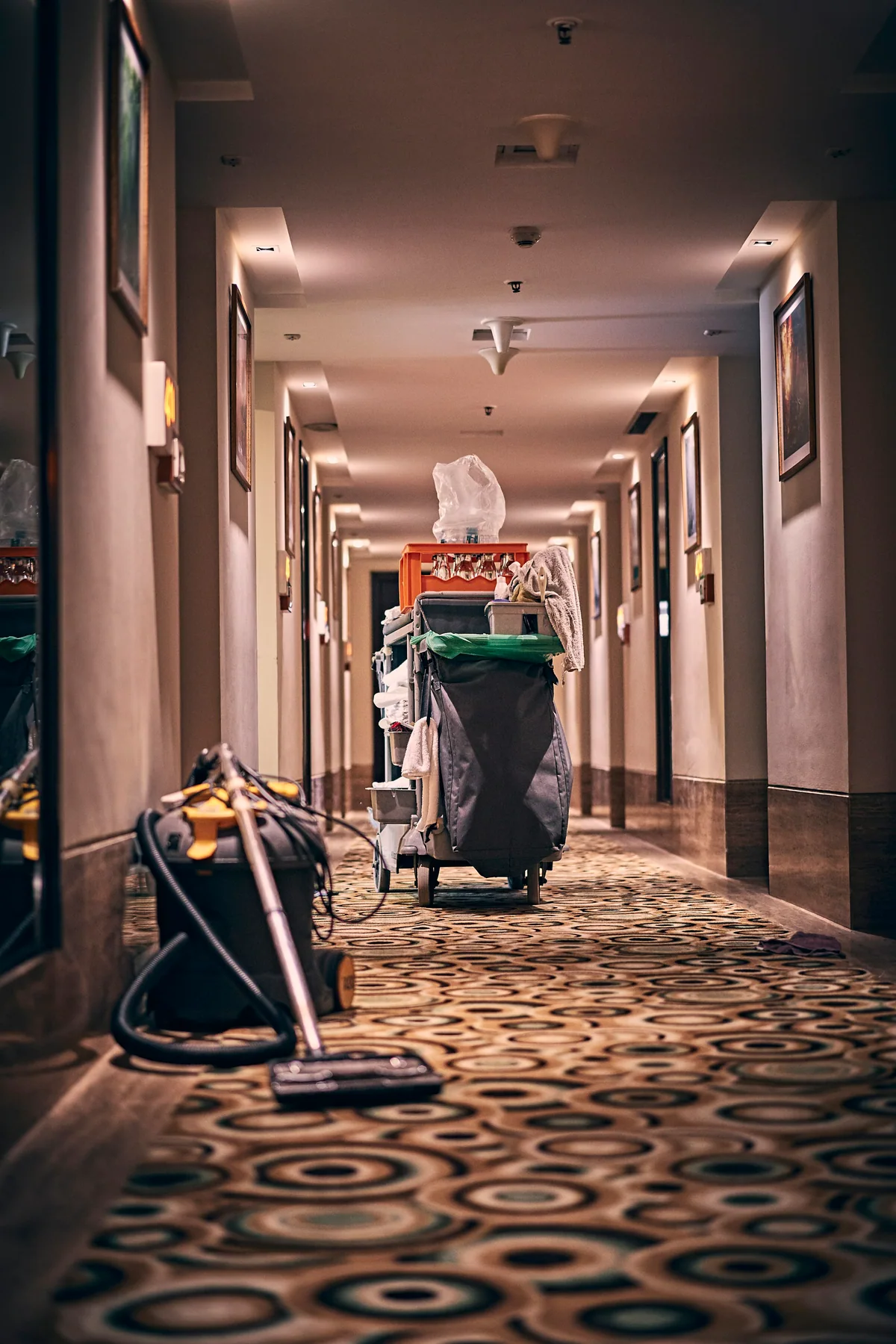
One roster across the whole property.
Housekeeping, kitchens, front desk and maintenance planned as one operation against the same occupancy forecast, with labour costed where it is actually spent.
Departments, planned as one property.
Occupancy drives the labour plan
Rooms to turn, covers to serve and arrivals to handle come out of the same forecast. Each department is staffed against what the property will do that day rather than against last month’s pattern.
One record per person, every department
Cross-trained staff stop being duplicated across four systems. What someone is qualified to do, where they may work and what they cost travel with them between housekeeping, F&B and front desk.
Outlet F&B on the platform that runs rooms
Restaurants, bars, banqueting and in-room dining put their buying, recipes and stock on the same system, so food cost and labour sit in one picture instead of two.
Labour costed where it is spent
Hours attribute to the department and outlet that consumed them, with premiums and penalties already applied. A head housekeeper sees their own number, not a share of a property total.
Rooms to restaurant, on one model.
Workforce, buying, recipes and guests run across every department as applications on the same operational record.

The property is one operation. It is rarely planned as one.
Housekeeping plans in one system, F&B in another and front desk in a third, and the same cross-trained people appear in all three. The property finds out they were double-booked on the morning it matters.
The roster solves against occupancy
Demand, skills, availability, cost and the local working-time and rest-break regime resolve in one pass. It keeps solving after publication, so arrivals, cancellations and a sick call at 06:00 are absorbed rather than escalated.
Back-of-house buying, unified
Kitchens, bars and housekeeping supplies buy through approved suppliers on priced specs, so landed cost is live and the property’s spend resolves to one number.
Guest data that survives the department
A guest recognised at the front desk is the same guest in the restaurant and at the spa. Preferences and history stay with the person rather than with whichever system happened to capture them.
The roster is where a property starts.
Housekeeping, kitchens and front desk are one solve against the same occupancy forecast. Workforce carries one record per person across every department, and the rest of the platform follows from it.
Explore WorkforceFAQ
No. Your PMS keeps the rooms. Mission takes the occupancy signal from it and plans the labour, the buying and the outlet operations around it, connecting to what the property already runs.
They have more in common than it looks. Rooms to turn, covers to serve and arrivals to handle are all the right people, with the right qualifications, in the right place, inside the rules. The constraints differ per department, and constraints are configuration.
Yes. Hours attribute to the department and outlet that consumed them, with premiums, penalties and allowances applied, so an F&B manager and a head housekeeper each see the number they are accountable for.
Yes, on the same platform: buying, recipes, stock and guests. Outlet F&B is where a property leaks margin quietly, and it is the operation our sister company, Mission Hospitality, has run for years.
We start in one department, usually the one where the roster hurts most, and run it live alongside your current process until it holds. The rest of the property follows department by department, and the portfolio after that.